Free Shipping on orders €60+

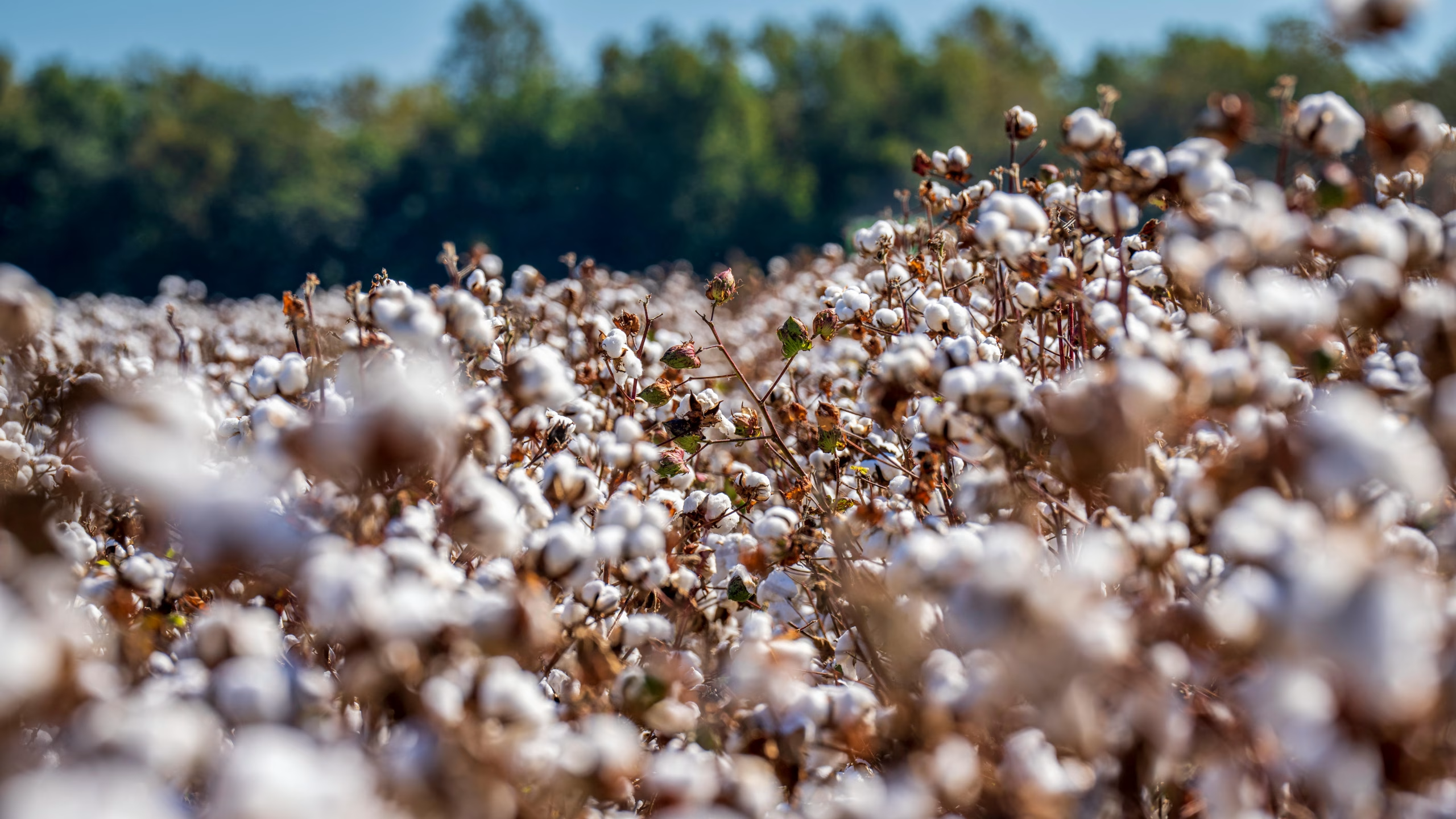
As more people become aware of the environmental impact of fashion, materials are getting the attention they deserve. One of the most important shifts in sustainable fashion is the move from conventional cotton to organic cotton.
But what actually makes organic cotton better for the environment?
In this guide, we’ll break down how organic cotton supports eco-friendly clothing, reduces environmental damage, and helps create a more responsible fashion industry.
What is Organic Cotton?
Organic cotton is grown without the use of synthetic pesticides, fertilizers, or genetically modified seeds. Instead, farmers rely on natural processes to maintain soil health and control pests.
This approach not only protects ecosystems but also produces a cleaner, safer raw material for clothing.
It also uses significantly less water, making it a more sustainable option in regions where water scarcity is a growing concern. When compared to conventional cotton, organic cotton production uses 91% less water and produces 46% less CO2 equivalent emissions, significantly reducing the global textile waste.
As a result, organic cotton has become a key foundation of sustainable clothing and eco-friendly streetwear.
1. Uses Less Water
Water consumption is one of the biggest environmental issues in fashion.
Conventional cotton farming requires large amounts of irrigation, which can strain water supplies—especially in already dry regions.
Organic cotton farming, on the other hand:
- Often relies more on rainwater
- Improves soil structure, helping retain moisture
- Reduces overall water usage
This makes it a more sustainable choice in a world where water scarcity is becoming increasingly critical.
2. Eliminates Harmful Chemicals
Traditional cotton is one of the most chemically intensive crops in the world.
It uses:
- Synthetic pesticides
- Herbicides
- Fertilizers
These chemicals can:
- Pollute rivers and groundwater
- Harm wildlife
- Damage soil quality over time
Organic cotton avoids these substances entirely, protecting both the environment and the people who grow it.
3. Supports Healthier Soil and Ecosystems
Healthy soil is essential for sustainable agriculture.
Organic farming practices:
- Improve soil fertility
- Promote biodiversity
- Reduce erosion
Instead of depleting the land, organic cotton farming works with nature, helping ecosystems regenerate rather than degrade.
4. Better for Farmers and Communities
Sustainability isn’t just about the environment, it’s also about people.
By eliminating toxic chemicals, organic cotton farming:
- Reduces health risks for farmers
- Creates safer working conditions
- Supports more sustainable livelihoods
This makes organic cotton an important part of ethical and sustainable fashion.
5. A Better Choice for Sustainable Clothing
Choosing clothing made from organic cotton is one of the easiest ways to support a more responsible fashion industry.
It aligns with key principles of eco-friendly clothing:
- Lower environmental impact
- Safer production processes
- Higher-quality materials
For brands focused on sustainable streetwear, organic cotton provides a balance between comfort, durability, and responsibility.
Why It Matters
The fashion industry is one of the largest contributors to environmental damage, but it’s also one of the easiest places to make better choices as a consumer.
By choosing organic cotton, you’re supporting:
- Reduced pollution
- Healthier ecosystems
- More ethical production
Small decisions, like what you wear, can have a meaningful long-term impact.
Conclusion
Organic cotton isn’t just a better material, it’s part of a better system.
It reduces environmental harm, supports healthier communities, and helps move fashion toward a more sustainable future.
As more people choose eco-friendly clothing and sustainable streetwear, the demand for responsible materials like organic cotton continues to grow.
And that’s a change worth being part of.