Free Shipping on orders €60+

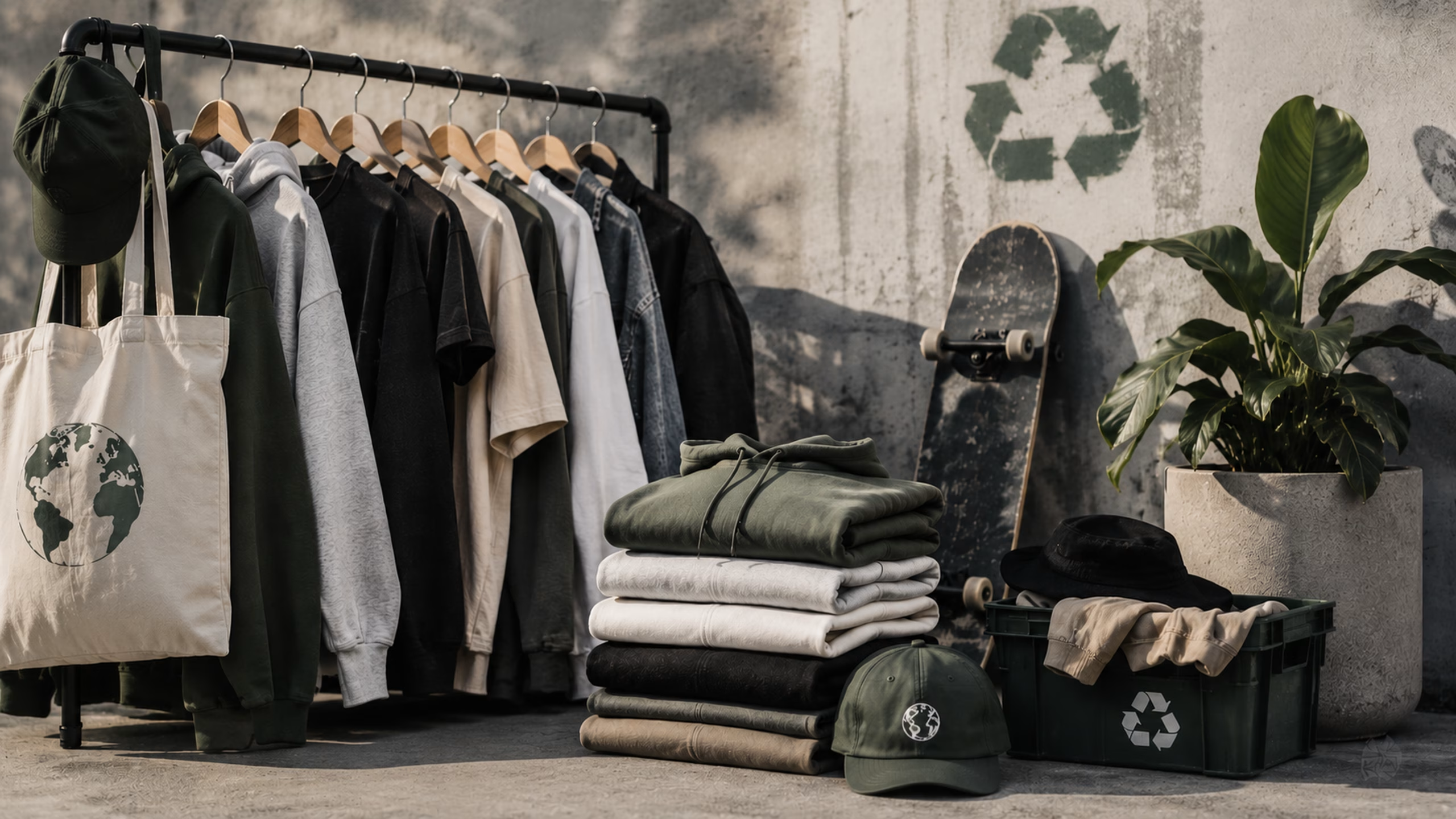
Building a sustainable wardrobe can feel overwhelming at first. With so much information around sustainable fashion, ethical production, and eco-friendly materials, it’s easy to think you need to completely change the way you dress overnight.
The truth is, sustainable fashion isn’t about perfection, it’s about making more conscious choices over time.
Creating a sustainable wardrobe starts with being intentional about what you buy, how often you buy it, and the impact your clothing has on both people and the planet.
What Is a Sustainable Wardrobe?
A sustainable wardrobe is built around clothing that is:
- Made responsibly
- Designed to last
- Produced using eco-friendly materials
- Worn regularly instead of discarded quickly
Rather than constantly chasing trends, sustainable fashion focuses on timeless pieces that fit your lifestyle and values.
The goal is not to own more clothing. It’s to own better clothing.
Buy Less, Choose Better
One of the most effective ways to reduce fashion waste is simply to buy less.
Fast fashion encourages constant consumption through endless trend cycles and low prices. This often leads to impulse purchases and clothing that quickly loses value.
Instead, focus on:
- Quality over quantity
- Versatile pieces you can wear often
- Clothing that fits your personal style long-term
A few well-made essentials can be more valuable than dozens of low-quality items.
Choose Sustainable Materials
The materials used in clothing have a major environmental impact.
When building a sustainable wardrobe, look for:
- Organic cotton
- Recycled fabrics
- Natural fibers
- Responsibly sourced materials
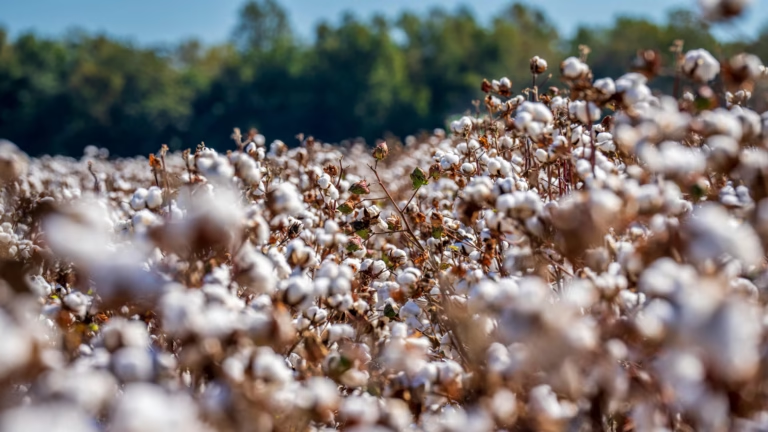
For example, organic cotton clothing helps reduce water consumption and avoids harmful pesticides commonly used in conventional cotton farming.
Choosing eco-friendly materials is one of the easiest ways to support more responsible fashion practices.
Avoid Disposable Fashion
Trends come and go, but constantly replacing clothing creates unnecessary waste.
A sustainable wardrobe focuses more on:
- Timeless design
- Durability
- Everyday functionality
Minimalist and versatile clothing often lasts longer because it can be styled in different ways over time.
This is why many people are moving toward sustainable streetwear and essentials instead of trend-driven fashion.
Support Brands with Purpose
Where you shop matters.
Look for brands that are transparent about:
- Materials
- Production methods
- Sustainability practices
- Ethical values
Sustainable clothing brands are not perfect, but many are actively working to reduce environmental impact and improve industry standards.
Supporting brands that prioritize awareness and responsibility helps encourage long-term change within fashion.
Take Care of Your Clothing
Sustainability also extends to how clothing is maintained.
Simple habits can help your clothes last longer:
- Wash less frequently
- Use cold water when possible
- Air dry instead of machine drying
- Repair items instead of replacing them immediately
Extending the lifespan of your clothing reduces waste and lowers overall consumption.
Sustainable Fashion is About Awareness
Building a sustainable wardrobe isn’t about following strict rules. It’s about becoming more aware of the impact clothing has on the environment and society.
Every purchase is an opportunity to support a different kind of fashion industry, one that values quality, responsibility, and long-term thinking over fast trends and overproduction.
Even small changes can make a meaningful difference over time.
Why It Matters
The fashion industry has a significant environmental footprint, but consumers have the power to shape its future.
By choosing eco-friendly clothing and sustainable streetwear, you help support:
- Reduced waste
- Better production practices
- More conscious consumption
- A healthier relationship with fashion
Sustainability starts with awareness, and awareness starts with everyday choices.
Conclusion
A sustainable wardrobe doesn’t need to be complicated.
Start small. Choose quality. Buy with intention.
Whether it’s investing in organic cotton essentials, supporting ethical brands, or simply reducing unnecessary purchases, every step contributes to a more sustainable future for fashion.
The goal isn’t perfection — it’s progress.