Free Shipping on orders €60+

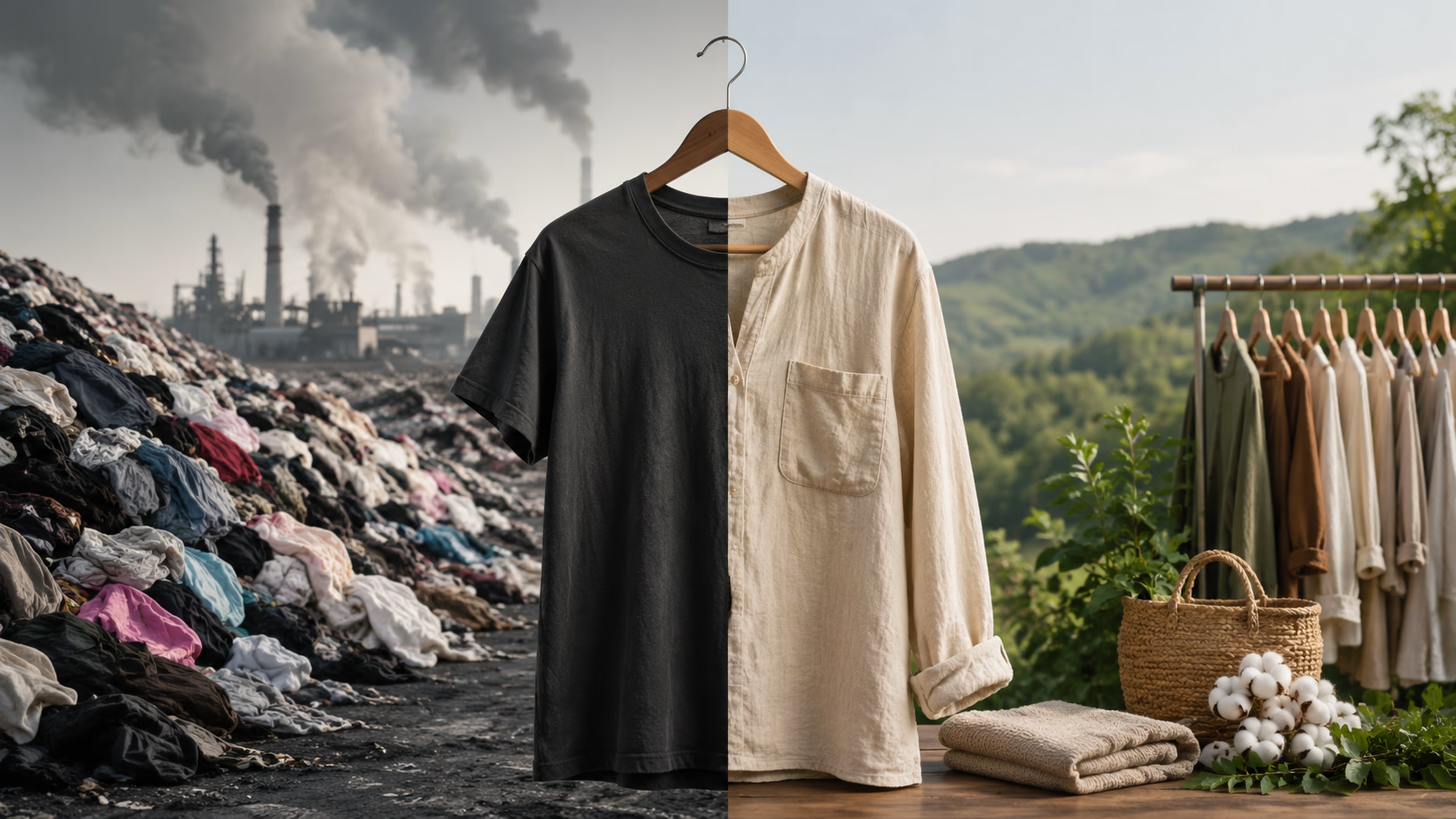
The way we consume fashion has changed dramatically over the last two decades. Clothing has become cheaper, trends move faster than ever, and new collections appear almost weekly. This system is known as fast fashion.
At the same time, growing awareness around environmental and social issues has led to the rise of sustainable fashion — a more conscious approach to how clothing is made, bought, and worn.
But what’s the real difference between fast fashion and sustainable fashion?
Understanding the impact behind the clothes we wear is the first step toward making more informed choices.
What Is Fast Fashion?
Fast fashion refers to the rapid production of inexpensive clothing designed to keep up with constantly changing trends.
Brands operating under this model focus on:
- Speed and mass production
- Low manufacturing costs
- Frequent trend cycles
- High consumer turnover
While fast fashion makes clothing more accessible, it also encourages overconsumption and disposable buying habits.
Many garments are designed to be worn only a few times before being replaced by the next trend.
What Is Sustainable Fashion?
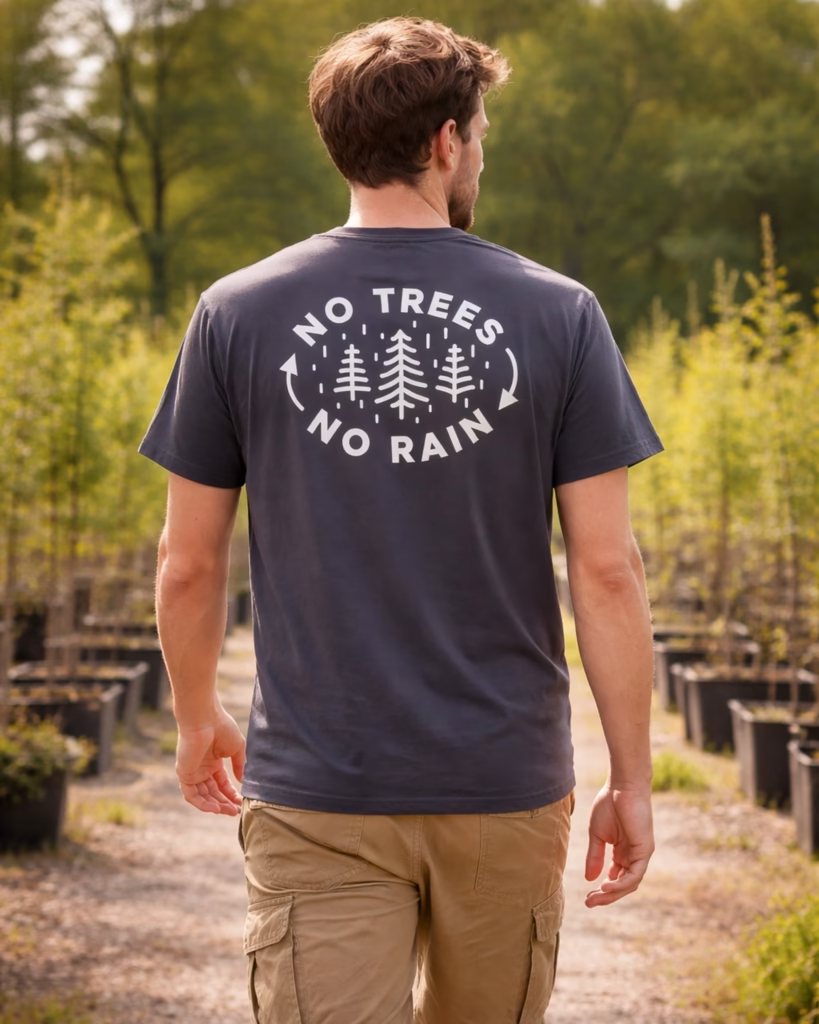
Sustainable fashion takes a different approach.
Instead of prioritizing speed and quantity, it focuses on:
- Ethical production
- Eco-friendly materials
- Long-lasting quality
- Reduced environmental impact
Sustainable fashion encourages consumers to buy fewer, better-made pieces that are designed to last over time.
This includes clothing made from materials like organic cotton, recycled fabrics, and responsibly sourced textiles.
Environmental Impact
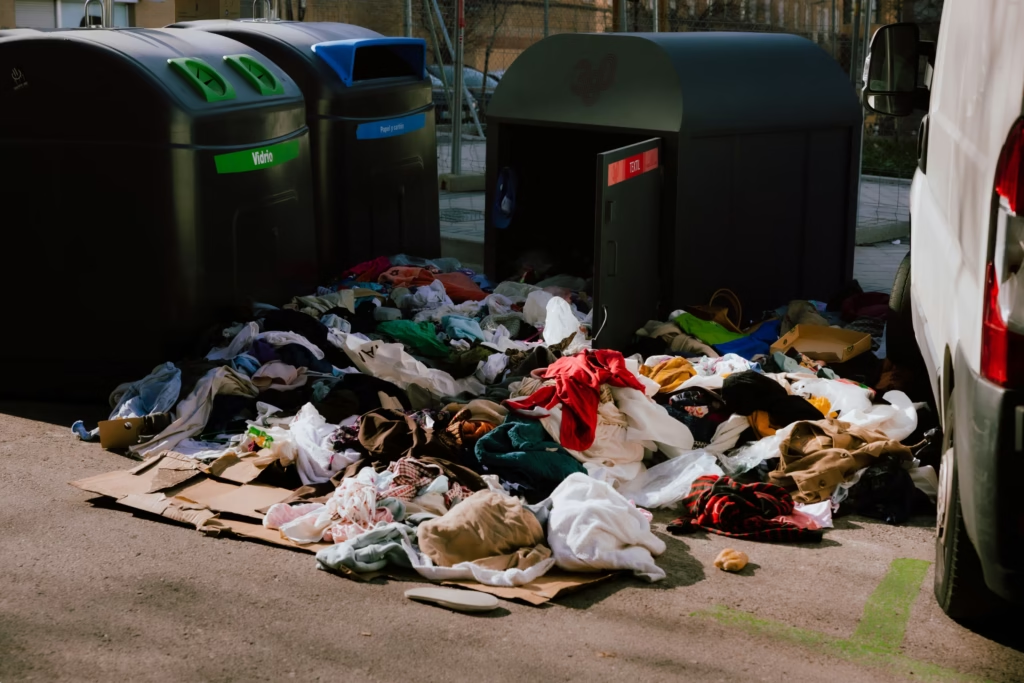
One of the biggest differences between fast fashion and sustainable fashion is environmental impact.
Fast fashion contributes heavily to:
- Water pollution
- Textile waste
- Carbon emissions
- Overuse of natural resources
Large amounts of clothing end up in landfills every year, often after minimal use.
Sustainable fashion aims to reduce this impact through:
- Lower-waste production
- Durable materials
- Eco-conscious manufacturing
- Responsible sourcing
Choosing eco-friendly clothing helps support a more balanced and sustainable system.
Ethical Production and Labor
Another major issue within fast fashion is labor practices.
To keep prices low, production is often outsourced to factories with poor working conditions and unfair wages.
Sustainable fashion brands aim to improve transparency and prioritize:
- Fair labor standards
- Safer working environments
- Ethical sourcing
While no system is perfect, sustainable fashion seeks to create a more responsible relationship between brands, workers, and consumers.
Quality vs Quality
Fast fashion is built around volume.
Clothing is often produced quickly and cheaply, which can lead to lower-quality garments that wear out fast.
Sustainable clothing focuses more on:
- Durability
- Timeless design
- Versatility
- Higher-quality materials
Instead of buying many low-quality items, sustainable fashion encourages investing in fewer pieces that last longer.
This shift also helps reduce waste and unnecessary consumption.
Consumer Mindset
Fast fashion promotes impulse buying and constant trend chasing.
Sustainable fashion encourages awareness and intentional purchasing.
It asks questions like:
- Who made this clothing?
- What materials were used?
- How long will this product last?
- What impact does this purchase have?
This mindset shift is at the core of conscious consumption.
Why Sustainable Fashion Matters
The fashion industry is one of the largest contributors to environmental damage worldwide. But consumer choices have the power to influence change.
Supporting sustainable streetwear and eco-friendly clothing helps encourage:
- Better production practices
- Reduced environmental harm
- More ethical standards across the industry
Every purchase is a vote for the kind of future we want fashion to create.
Conclusion
The difference between fast fashion and sustainable fashion goes far beyond price or trends.
It’s about impact.
Fast fashion prioritizes speed and consumption, while sustainable fashion focuses on responsibility, quality, and long-term change.
Choosing sustainable clothing doesn’t require perfection, it simply means becoming more conscious of the choices we make and the systems we support.
The future of fashion is not just about what we wear, but about what our clothing represents.